 by
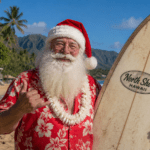
by Kiana from Honolulu asks Santa about a decorated palm tree, learns about Hawaii’s volcanic islands, and hears about Mele Kalikimaka and Hawaiian Christmas traditions
Dear Santa, my name is Kiana and I am nine years old. I live in Honolulu, Hawaii, where my tutu says Christmas here always smells like plumeria flowers instead of pine needles.
Dear Kiana, I have noticed that exact smell myself on my Hawaiian stops, and it is one of the more delightful surprises on my whole route.
Santa, I have three questions.
My first question is, what is a Christmas palm? My neighbor decorates hers with lights every December instead of a regular tree, and I thought that was such a good idea.
A decorated palm tree makes a wonderfully festive, sensible choice for a warm climate, Kiana, and it is a lovely local twist on an old tradition. Lights look just as beautiful wrapped around palm fronds as they do on pine branches.
My second question is about our islands. My teacher says the Hawaiian Islands were formed by volcanoes, and some are still active today. Is that true?
It is, Kiana. The Hawaiian Islands were built up over millions of years by volcanic activity, and some, like Kilauea, remain active to this day. Flying over glowing volcanic vents on a clear Christmas Eve night is one of the most unusual, unforgettable sights on my entire route.
My third question is about Mele Kalikimaka. My grandma sings that song every year and I finally learned it means Merry Christmas in Hawaiian. Why do we have our own special way of saying it?
Mele Kalikimaka reflects Hawaii’s own unique blend of Native Hawaiian culture and later Christmas traditions brought from elsewhere, creating something warm and entirely its own. I think it is a beautiful example of a place making a tradition fit its own island, its own language, and its own spirit of aloha.
Merry Christmas, Santa.
Your friend,
Kiana Kahale
Honolulu, Hawaii
P.S. Mele Kalikimaka, Santa.
Mele Kalikimaka to you too, Kiana. My favorite greeting of the whole season, honestly.